+86-18961180163


- All
- Product Name
- Product Keyword
- Product Model
- Product Summary
- Product Description
- Multi Field Search
 |


top greenhouse
TOP Greenhouse
steel, aluminum alloy
Tempered Glass, Diffusing Glass
OEM, OED
ISO
China
| Quantity: | |
|---|---|
If you’ve ever wondered why glass greenhouses are still so popular in agriculture despite the rise of plastic and polycarbonate structures, you’re not alone. Glass has been a trusted material for centuries, and for good reason—it offers unmatched clarity, durability, and a professional look that farmers and agricultural investors value.
Our Best Glass Greenhouse for Agriculture is designed to meet the needs of modern farming. Made with a heavy-duty steel frame and high-transparency glass, it provides maximum natural light, stable temperature control, and long-lasting durability. This greenhouse ensures year-round cultivation of vegetables, flowers, and high-value crops while reducing energy consumption and improving yields. With options for automated ventilation, shading, and irrigation systems, it offers farmers a reliable and efficient solution for commercial agriculture. Perfect for professional growers seeking sustainable and profitable production.
A glass greenhouse is a farming structure built with transparent glass panels that allow maximum sunlight penetration. Unlike plastic tunnels or polycarbonate sheets, glass offers higher light transmission and creates an optimal growing environment for crops.
Some defining features include crystal-clear panels, strong steel or aluminum frames, natural ventilation, and the option for advanced climate-control systems.
While plastic greenhouses are cheaper, glass greenhouse provide long-term value with durability and better growing conditions. Plastic may degrade over time, but glass maintains transparency for decades.
Glass allows up to 90% light penetration, ensuring crops receive enough sunlight for photosynthesis.
A best glass greenhouse for agriculture can last over 30 years with minimal maintenance.
For large-scale farms, glass structures offer a professional appearance that also attracts investors.
Glass is excellent at retaining heat, making it easier to regulate internal temperatures.
Commercial farms often choose multi-span glasshouses, while research institutions may prefer smaller units.
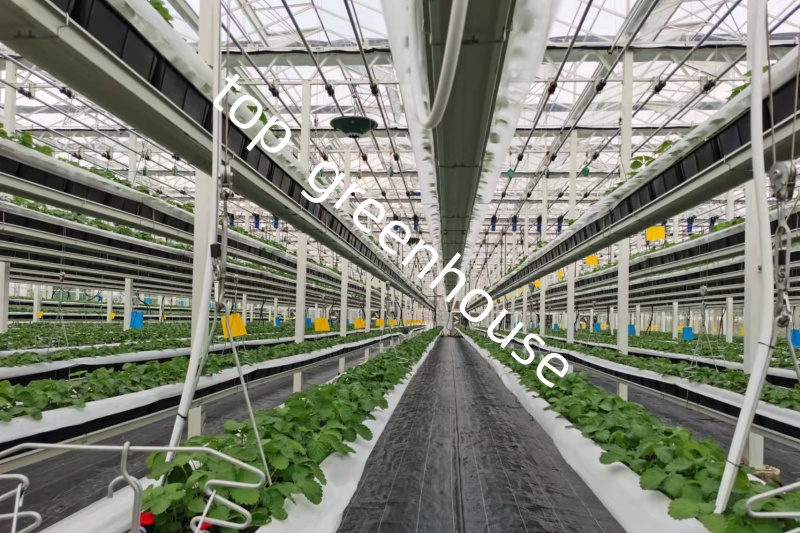
A farm in a cold region may prioritize insulation, while a hot area may require extra cooling systems.
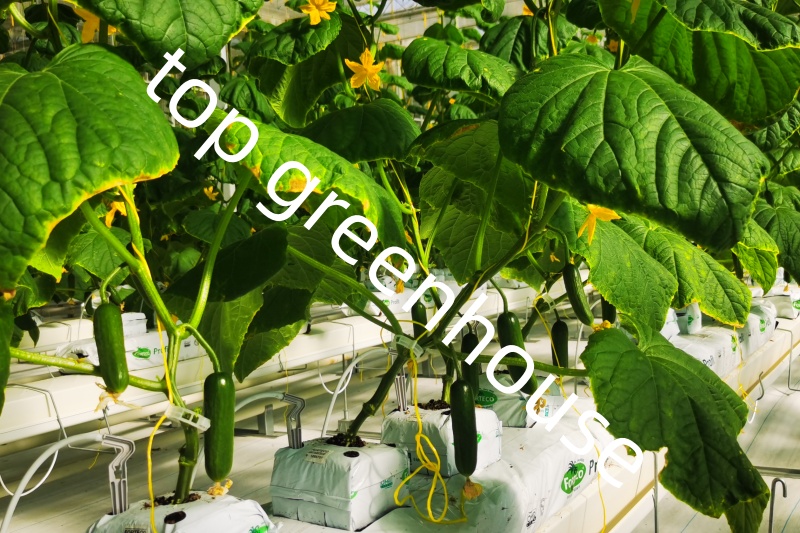
Glass greenhouses for agriculture require a higher upfront investment, but the ROI over years is impressive.
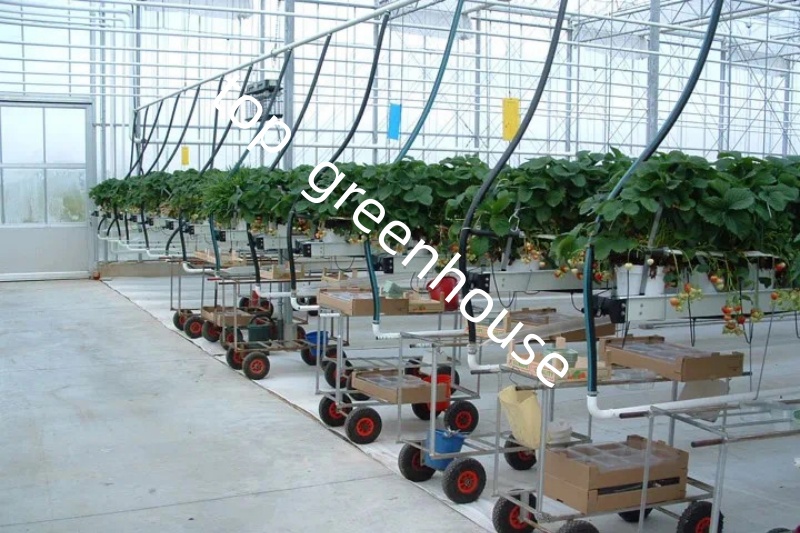
Delicate crops like strawberries thrive in glasshouses due to stable microclimates.
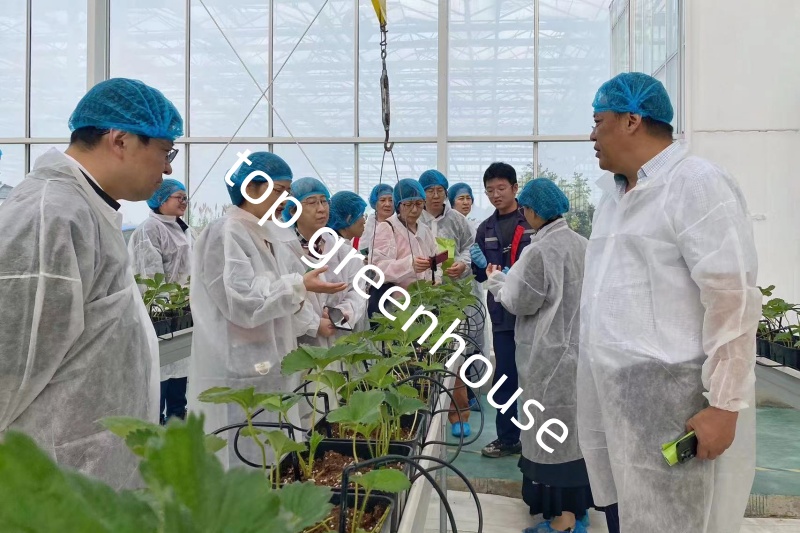
| Dimension Paramete | Load Parameter | ||
| truss size | 8.0m, 9.6m, 12m | wind load | 40-120km/h |
| bay size | 4m, 5m | snow load | 0-100cm |
| gutter height | 4m-7m | crop load | 0-15kg/㎡ |
| top height | 6m-9m | maximum drainage capacity | 140mm/h |
| skeleton frame | hot-dip galvanized steel tube | ||
| covering material | Glass 5+6A+5mm hollow glass, non-reflecting glass 4mm | ||
optional systems | Ventilation System、Shading System、Irrigation System、Cooling System、Heating System、Lighting System、Seedbed System、Control System、Other Customized Equipment | ||
| remarks | The above parameters just for reference and subject to actual projects. | ||
Originating in the Netherlands, Venlo designs are efficient, highly durable, and widely used for commercial farming.
These classic structures have triangular roofs and are easy to construct.
Often built against walls, they’re perfect for research facilities or limited spaces.
Best for large-scale farming, offering maximum coverage and advanced climate systems.

Options include float glass, tempered glass, and diffuse glass for different light effects.
Strong frames are vital for stability and longevity.
Automatic roof vents and side vents ensure proper airflow.
Heating systems prevent frost damage, while cooling pads regulate summer temperatures.
Drip irrigation and fertigation deliver nutrients directly to plants’ roots.
Insulated glass panels reduce heating costs in cold climates.
A best glass greenhouse for agriculture withstands snow, rain, and strong winds.
Farmers can customize layouts, ventilation, and climate-control systems.
Modern glass greenhouse for agriculture integrate sensors, AI, and automated irrigation.
Depending on size, costs range from $100 to $300 per square meter.
Although glass requires little maintenance, cleaning is essential for light transmission.
ROI comes from higher yields, reduced crop loss, and premium crop quality.
Rotating crops prevents soil exhaustion and pest build-up.
Integrated pest management (IPM) reduces chemical use.
Smart sensors help farmers maintain ideal growing conditions.
Adapting strategies by season improves productivity.

Tomatoes thrive in glasshouses due to controlled conditions.
Glasshouses extend berry production seasons.
High-value flowers like roses and tulips flourish in glass greenhouses.
Medicinal herbs benefit from a stable, protected environment.

AI-powered monitoring will become standard in modern best glasshouses for agriculture.
Energy-saving technologies and recycled materials will shape future designs.
Glasshouses will help meet rising food demands worldwide.
Yes, glass offers better clarity, durability, and long-term performance.
With proper maintenance, they can last 30–50 years.
Tomatoes, strawberries, cucumbers, and flowers thrive in these environments.
Prices range from $100 to $300 per square meter, depending on design.
Yes, with proper insulation and cooling systems, they adapt to most regions.


