+86-18961180163


- All
- Product Name
- Product Keyword
- Product Model
- Product Summary
- Product Description
- Multi Field Search
Views: 0 Author: Site Editor Publish Time: 07-11-2025 Origin: Site
In the competitive global horticulture market, commercial greenhouse operations are increasingly turning to controlled-environment agriculture (CEA) to maximise yield, quality and profitability. TOP GREENHOUSE as a leading manufacturer of commercial greenhouse systems, we understand the importance of selecting the right crops that align with your structure, climate-control capabilities and market demand. This article explores the varieties of crops suitable for commercial greenhouses, discusses key environmental and infrastructure considerations, and TOP GREENHOUSE hopes to help you evaluate which crops best suit your system and business strategy.
One of the primary advantages of a commercially-sized greenhouse is the ability to regulate temperature, light, humidity and CO₂ levels. A well-designed greenhouse manufacturer like us can support year-round or extended-season production, opening opportunities for high-value crops and improved return on investment.
When you invest in a commercial greenhouse — including framing, glazing, climate control, heating/cooling, irrigation, lighting and shading systems — you want to ensure your crop selection aligns with the built environment. The crop’s growth cycle, space requirement, height, trellising needs and harvest frequency must match the structural capacity and workflow design of the greenhouse.
For the business-to-business (B2B) customer — whether you supply wholesalers, food-service, retail chains or exports — choosing crops that meet market demand, logistics and quality standards matters. High-value crops with premium margins often justify the capital investment of a commercial greenhouse system.
Before choosing specific crop types, consider these four foundational criteria:
Even in a controlled commercial greenhouse environment, some crops demand specific temperature ranges, light intensity, photoperiods or humidity profiles. Ensure your greenhouse system (heating, cooling, ventilation, shading) can maintain the needed microclimate.
Vertical growers, vine crops and multi-tier systems each impose different structural and workflow requirements. A crop with a sprawling growth habit may consume valuable floor space, while a trellised vine crop may better use vertical space.
Crops that can be harvested frequently (e.g., leafy greens, herbs) may produce revenue faster but might require more labour or automation. Contrastingly, long-cycle crops (e.g., tomato, pepper) need more time but may deliver higher unit value.
For B2B operations you must think not just of yield but also of post-harvest handling, shelf life, consistency and food-safety compliance. Some crops are highly seasonal or prone to disease; a greenhouse reduces risk but you still need post-harvest infrastructure.
Local Climate
Growth Habit
Harvest Frequency
Market Factors
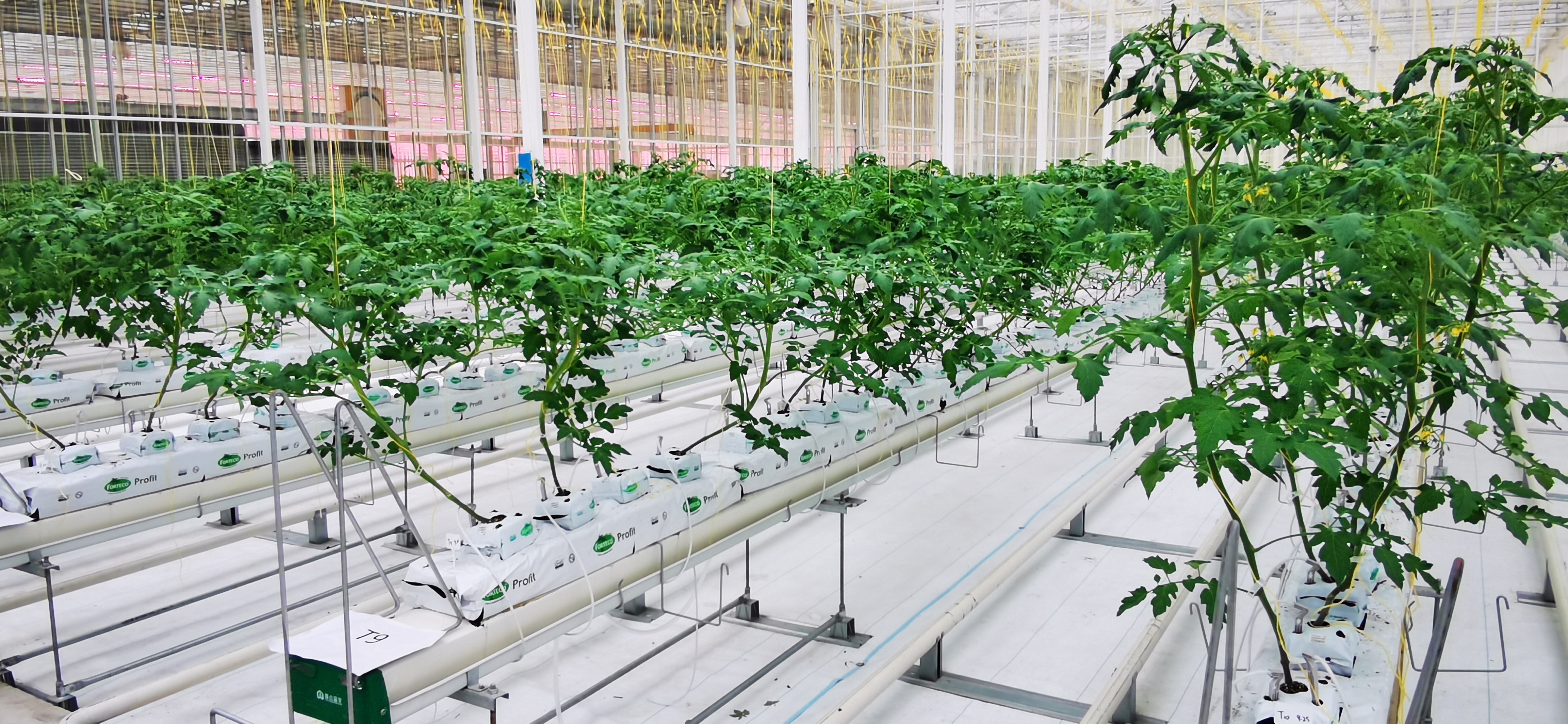
Tomatoes are the backbone of commercial greenhouse cultivation because they thrive under stable, controlled conditions. In open fields, yield and quality often suffer from fluctuating temperatures and pest issues. A commercial greenhouse maintains ideal warmth, humidity, and CO₂ levels, ensuring consistent fruit quality, sweetness, and firmness throughout the year. This makes tomatoes highly profitable for B2B markets that require steady, premium supply.
A greenhouse designed by a professional commercial greenhouse manufacturer provides the height, light, and climate precision tomatoes demand. Vertical trellising and hydroponic systems maximize space efficiency and yield per square meter. Automation in irrigation and climate control reduces labor while ensuring uniform growth and high productivity season after season.

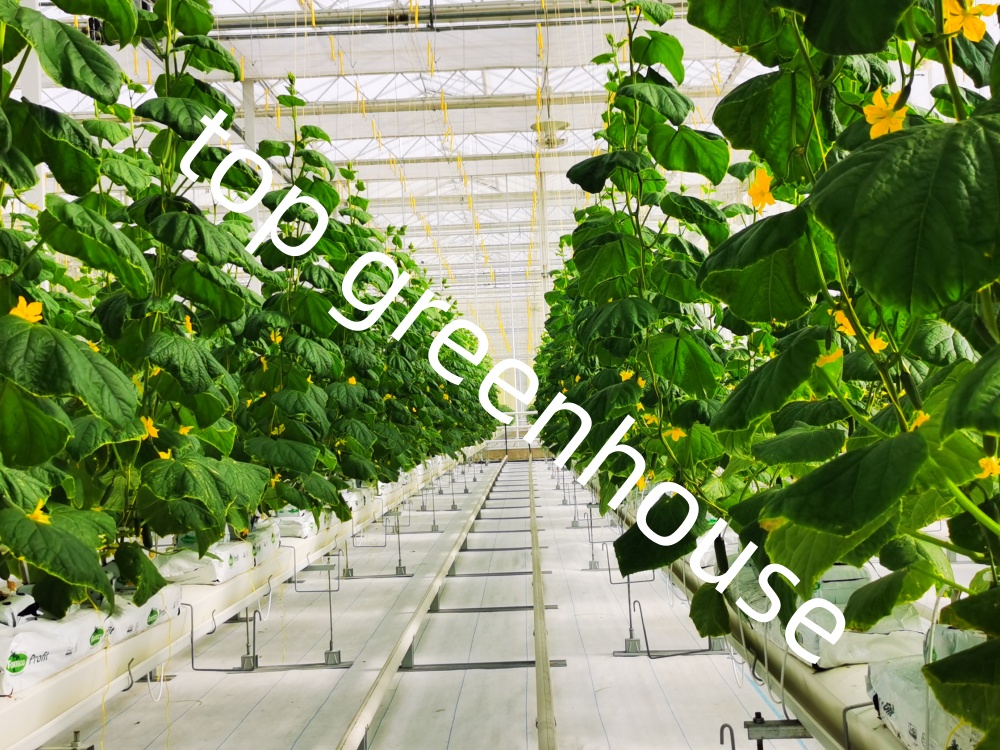
Cucumbers prefer warm, humid conditions that can be precisely managed inside a greenhouse. Unlike outdoor growing, where weather variability affects shape and taste, greenhouse cultivation ensures uniformity and predictable output. This makes cucumbers one of the most productive and reliable crops for continuous commercial production.
Their rapid growth cycle allows multiple harvests per year, offering quick return on investment. A high-roof structure from an expert commercial cucumber greenhouse manufacturer supports vertical growth and trellising systems, improving airflow and fruit quality. Combined with automated irrigation and fertigation, cucumbers deliver high yields with minimal waste.
Peppers flourish in controlled climates where temperature and humidity remain stable. Outdoor production often struggles with irregular fruiting or blemishes, but greenhouses prevent environmental stress. This results in peppers with uniform size, vibrant colors, and thicker fruit walls that appeal to export and retail markets.
A professional commercial greenhouse manufacture provides structures with sufficient roof height, optimal light penetration, and ventilation. These systems help manage long crop cycles efficiently while maintaining healthy plant growth. The outcome is higher yield consistency and improved profit margins for long-term commercial operations.
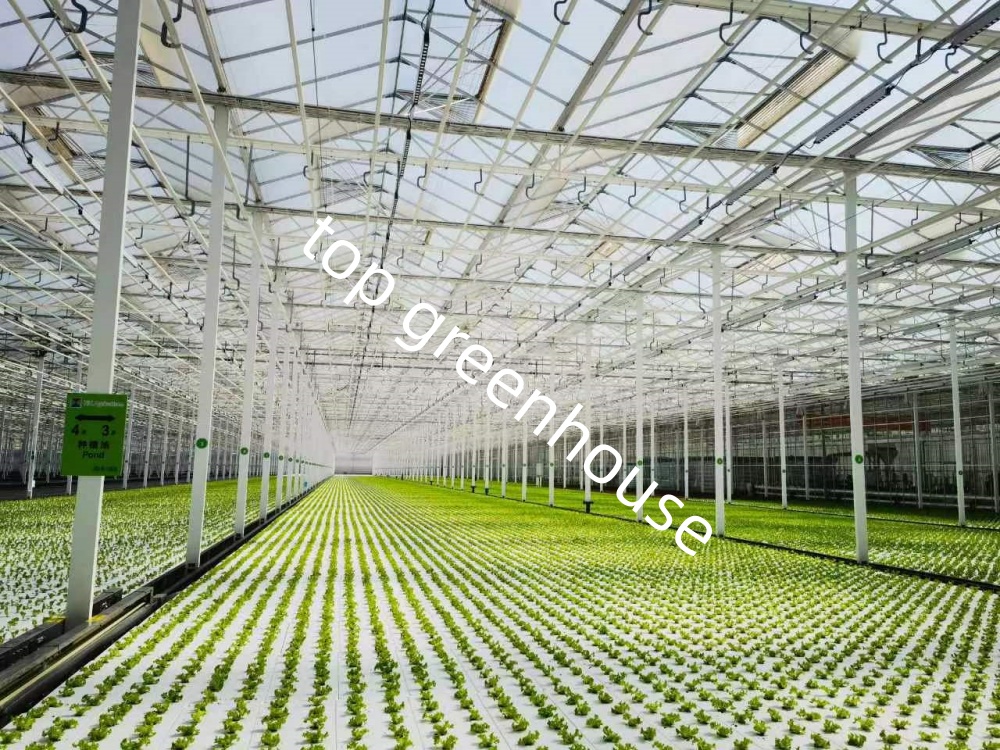
Leafy crops like lettuce, kale, and spinach benefit from the constant environment of a commercial greenhouse. In contrast to outdoor growing, which is limited by seasons, greenhouse cultivation allows uninterrupted production with fewer pest problems. Consistent temperature and humidity result in tender leaves and uniform color—essential for B2B supply chains.
Many growers use hydroponic or ebb-and-flow systems to shorten harvest cycles to under 30 days. A modular layout designed by a skilled commercial greenhouse manufacturer optimizes space and light distribution, enabling multiple harvests each month. This makes leafy greens ideal for quick revenue and reliable volume contracts.
Culinary herbs such as basil, parsley, and coriander are sensitive to temperature fluctuations and pests, making them perfect candidates for greenhouse growing. Controlled light, humidity, and nutrient delivery ensure better aroma, flavor, and leaf quality compared with open-field cultivation.
Herbs require minimal vertical space and can be grown on multi-layer benches, making them ideal for compact commercial setups. Systems built by a professional commercial greenhouse manufacturer allow easy climate control and irrigation management. Their short growth cycle and strong market demand make herbs a profitable, low-risk option for year-round production.
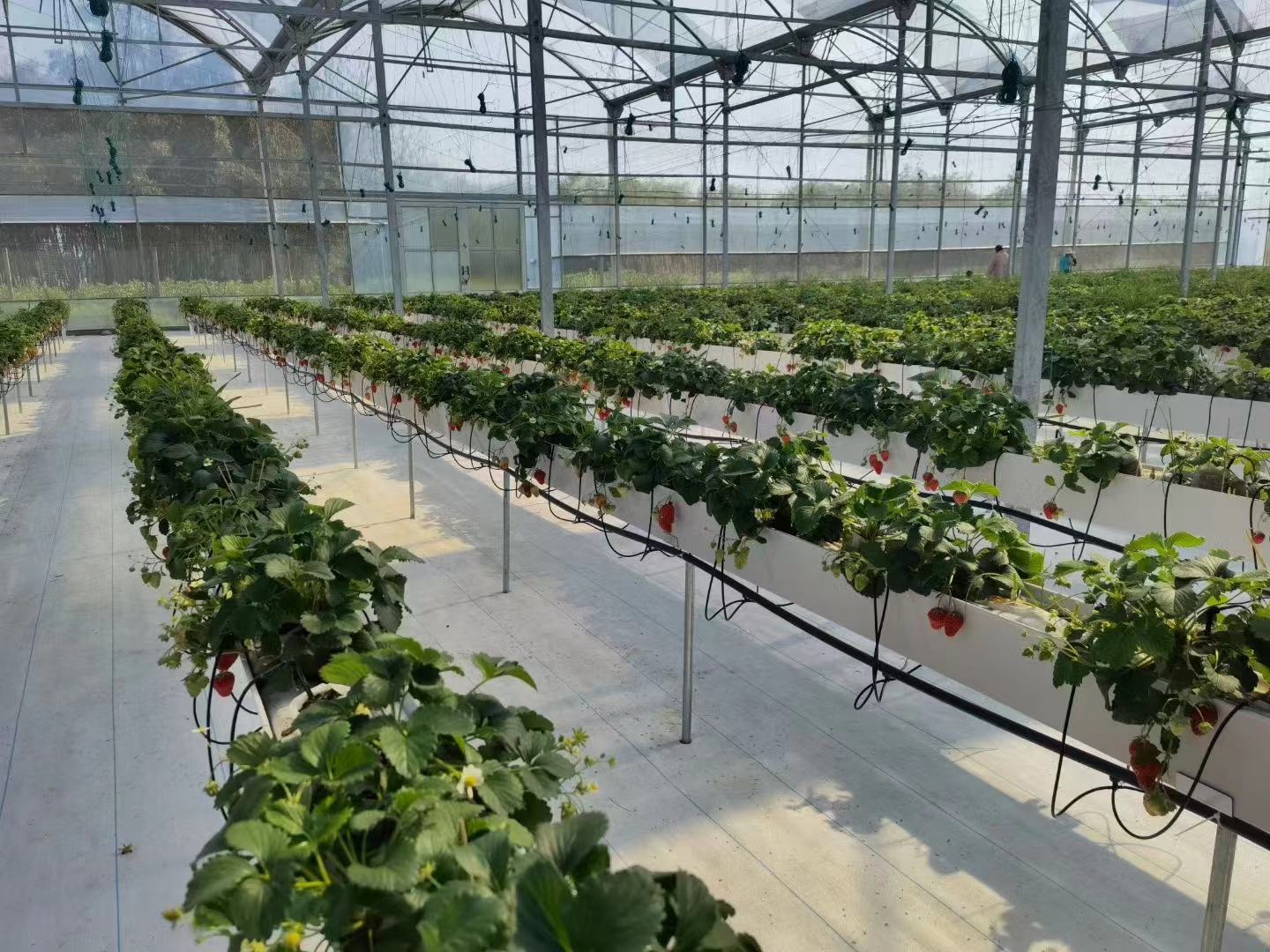
Strawberries are highly profitable when cultivated in controlled environments that prevent diseases and weather damage. A greenhouse maintains stable temperatures, reduces fungal risk, and improves fruit uniformity, sweetness, and appearance—qualities essential for premium retail markets.
High-tech systems from a trusted commercial greenhouse manufacturer support vertical growing and hanging gutters to increase production density. Automated pollination and fertigation ensure continuous, high-quality output. While setup costs are higher, the consistent year-round harvest and superior fruit quality deliver exceptional long-term returns.
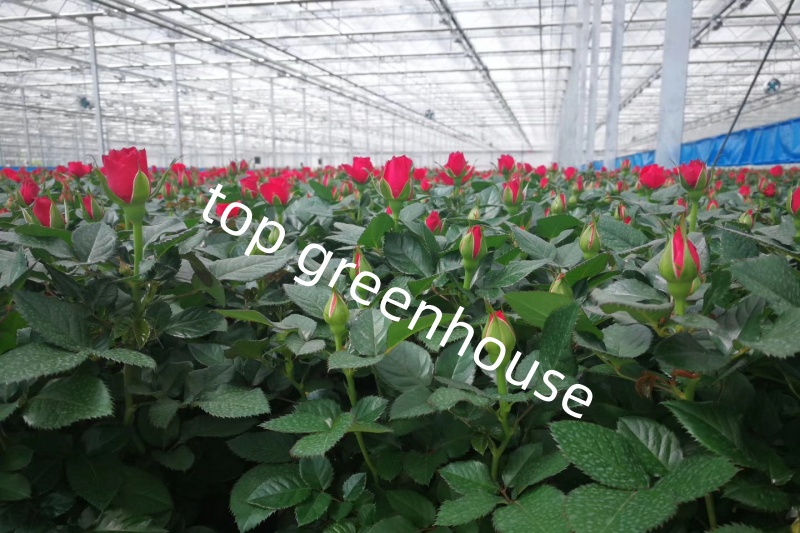
Flowers such as roses, chrysanthemums, and gerberas thrive in stable, well-regulated environments. Greenhouses protect them from harsh weather, pests, and seasonal fluctuations, ensuring continuous blooming and superior petal quality. Controlled temperature, humidity, and lighting create ideal conditions for color intensity and stem strength—key factors for the floral export and retail industries.
By using structures designed by a skilled commercial greenhouse manufacturer, growers can maintain uniform flower size, vibrant colors, and extended vase life. Automated irrigation and climate systems further enhance production efficiency while reducing waste. With steady demand from global markets and year-round growing capacity, flowers remain one of the most rewarding crops for commercial greenhouse operations.
Vine crops (tomatoes, cucumbers) require taller structure and overhead trellising; leafy greens may require less height but benefit from uniform light and bench height optimisation. When manufacturing the greenhouse, ensure the frame, glazing height and internal layout accommodate the crop’s growth habit.
Via top greenhouse experience, some crops require high light (tomatoes) while others (lettuce) might benefit from filtered light or shade during peak hours. Your greenhouse design should include glazing material with high light transmission, optionally shading cloths or screens and orientation suited to local solar conditions.
Different crops require different temperature, humidity and CO₂ profiles. A commercial greenhouse from a manufacturer should allow integration of heating (e.g., hot-water pipes), cooling pads or fans, ventilation louvers, fogging/misting systems and CO₂ enrichment. Aligning these systems with the selected crop ensures optimum growth.
Precision in irrigation (drip, ebb-&-flow, hydroponic) is key. Crops with high water demands (cucumber, tomato) will need robust irrigation systems; salad greens may require finer nebulised systems. Designing the greenhouse with plumbing, drainage and substrate support in mind adds value for B2B growers.
Commercial operations often use automation for climate control, horticultural lighting, harvesting systems or in-greenhouse mobility. When manufacturing a greenhouse for a B2B client, consider automation readiness: space for sensors, wiring, control panels, mobile benches or conveyors improves usability and ROI.
Below is a quick overview table of common crops with their pros and cons in a commercial greenhouse context:
| Crop | Growth Habit | Cycle Time* | Key Requirements | Commercial Suitability |
|---|---|---|---|---|
| Tomatoes | Vine, tall potential | Medium-long | High light, trellis, ventilation, nutrient input | Very high (standard for commercial) |
| Cucumbers | Vine, high yield per m² | Medium | Warm climate, trellis/strings, humidity control | High |
| Peppers + Eggplants | Bush/vine mix | Medium-long | Warmth, light, trellis/space | High, but longer cycle |
| Leafy greens (lettuce, spinach) | Compact, multi-tier | Short | Consistent climate, good light/humidity | High-value, fast turnover |
| Herbs & Micro-greens | Very compact | Very short | Controlled light, hydro or substrate | Excellent niche/high margin |
| Berries (strawberries) | Low-vine, fruiting | Medium | Climate control, substrate, pollination | Growing in popularity |
| Flowers(roses, chrysanthemums) | Upright and bushy | Medium to long (3–5 months) | High light, stable temperature, humidity control, good ventilation, and photoperiod management. | Very high – strong global demand, high-quality blooms, and profitable for modern commercial greenhouse manufacturers. |
Cycle time is indicative and depends on cultivar, region and greenhouse system.
For a B2B client, the ability to supply consistently, reliably and to specification (size, colour, packaging) matters. TOP GREENHOUSE suggest you to choose crops that match your logistics capability and market demand rather than only agronomic potential.
Your commercial greenhouse is a capital investment. High-value crops with longer cycles may better amortise the structure and climate systems. Rapid turnover crops can generate quick cash flow but may require more frequent system resets or re-planting.
Consider diversifying crop selection across perhaps two or three crop families to manage risk (disease, market shifts). A commercial greenhouse designed by your manufacturer should enable crop rotation or alternation without major re-engineering.
Modern buyers and retailers increasingly demand sustainability credentials. Controlled-environment greenhouses reduce water usage, allow integrated pest management (IPM) and minimise logistic miles. As a greenhouse manufacturer, you can highlight how your structures support resource-efficient production.
The ability to seed, transplant, grow, harvest and replant in a systematic production calendar is key for commercial operations. Select crops with predictable cycles and ensure your greenhouse design supports continuous flow (benches, service access, staging areas).
Imagine a commercial greenhouse client installing a 5,000 m² structure from your company, equipped with glazing, shading screens, evaporative cooling, automated ventilation and modular benches. They choose the following crop strategy:
Primary vine crop: Tomatoes grown year-round in two overlapping cycles, using trellising and high light.
Secondary crop: Leafy greens in the cooler months using multi-tier benches and supplemental lighting.
Tertiary crop: Herbs in a dedicated zone, using hydroponic trays.
This integrated crop plan allows your client to balance high-value vine crop revenue with faster-turnover salad crops and niche herb markets — while fully utilising the greenhouse structure year round. You, as the manufacturer, highlight how your design supports this mix: tall clear-span framing, flexible internal layout, separate climate zones, and automation readiness.
Selecting the right crop (or mix of crops) for your commercial greenhouse is as much a business decision as a horticultural one. It requires alignment between greenhouse infrastructure, crop biology, market demand and operational workflow. As a manufacturer of commercial greenhouses, you play a critical role in enabling your B2B customers to match their crop choices with the built environment.
Focus on crops that match your climate-control system, structural design and market access.
Aim for a mix of crops that delivers high value, fast turnover and flexibility.
Ensure your greenhouse design supports the crop requirements: height, light, layout, irrigation, automation.
Work with the greenhouse manufacturer (that’s you) from the outset to ensure the structure is future-proof and adaptable as crop strategies evolve.
Consider sustainability, efficiency and market trends — today’s buyers and retailers value them.
By deploying a well-designed commercial greenhouse and selecting the optimal crops, your customers can achieve consistent, high-quality production with maximised return on investment — and you strengthen your position as the trusted manufacturer delivering value beyond just the structure.


