+86-18961180163


- All
- Product Name
- Product Keyword
- Product Model
- Product Summary
- Product Description
- Multi Field Search
Views: 0 Author: Site Editor Publish Time: 30-10-2025 Origin: Site
Greenhouse climate screens are an integral part of modern greenhouse technology. They are designed to optimize light, temperature, humidity, and energy efficiency inside controlled growing environments. By using high-quality materials and advanced automation, climate screens help growers create the ideal climate for plants, reduce energy costs, and protect crops from extreme external conditions.
As a professional climate screen manufacturer, we understand that every greenhouse requires a specific screen type depending on its crop, climate, and operational goals. Generally, climate screens are categorized into internal and external types — each with unique designs, materials, and performance benefits.
A climate screen is a specially engineered textile system installed in a greenhouse to control light transmission, temperature, humidity, and energy balance. Unlike traditional shade cloths, a climate screen integrates multiple functions: shading, heat retention, light diffusion, and photoperiod management.
Made from polyester and aluminum foil materials, these screens can be fully automated — opening or closing based on light intensity, temperature, or time of day. Modern greenhouses rely heavily on climate screens to maintain stable growing environments with minimal energy input.
Internal climate screens are installed inside the greenhouse, usually below the roof trusses. Their main purpose is to reduce heat loss at night and control solar radiation during the day. By combining shading, insulation, and light diffusion properties, they help maintain a balanced microclimate for crops.
These screens are lightweight, easy to retract, and compatible with automatic control systems. They are typically used in glass, polycarbonate, and plastic film greenhouses where precise climate regulation is essential.
During the day, internal climate screens can partially close to reduce excessive solar radiation, preventing heat buildup and leaf burning. At night, they close fully to retain heat, forming a barrier that minimizes thermal radiation loss from the greenhouse roof.
The reflective materials (often aluminum yarns) play a key role in both heat reflection and energy conservation. Some designs also allow controlled air permeability, which helps manage humidity and prevent condensation on crops.
Internal climate screens can be divided into several functional types depending on their primary role in climate regulation.
Energy-saving screens are designed as a transparent type, ensuring maximum light transmission to fully meet the lighting needs of plants.
The unique knitted structure not only allows excellent airflow, reducing condensation and dew formation, but also enables the screens to be bundled into a compact size without compromising available light. This structure effectively minimizes greenhouse heat loss, making it ideal for energy-saving insulation.
Combining superior heat retention with high light transmission, these screens are perfect for conserving energy both day and night. Their innovative design ensures plants receive sufficient light while maintaining optimal temperature conditions, enhancing greenhouse efficiency and creating a more sustainable growing environment.

Energy-Saving Screen (Transparent)

Energy-Saving Screen (Transparent)
Diffusion screen combines transparent and white strips, using special white strip and transparent polymer materials to enhance light diffusion.
The white strips scatter sunlight more effectively, bringing light from multiple angles to promote healthy plant growth. With various shading rates available, the screen can control light within the ideal range, while some white screens feature an open structure to further improve cooling under the same shading rate.
In addition to improving light quality, the screen offers excellent heat retention. When closed at night, it reduces heat loss from the crops, keeping plant temperatures higher. Its superior reflection and transmission efficiency ensure that plants receive optimal light throughout the day, while maintaining energy efficiency and promoting a more stable greenhouse environment.

Diffusion Screen (White)

Diffusion Screen (White)
The shading screen is made with special aluminum strips and transparent polymer materials, allowing it to serve a dual purpose.
During the day, the open structure permits sufficient airflow, effectively cooling the greenhouse even at high temperatures. At night, the screen significantly reduces heat loss from the crops, helping maintain higher plant temperatures and improving overall energy efficiency. Its aluminum strips reflect sunlight effectively, further enhancing both daytime cooling and nighttime heat retention.
Designed for optimal performance, the screen's open structure works especially well with roof-ventilated greenhouses, improving shading, cooling, and management of more sensitive plants. Many of these screens meet the highest safety standards in the horticultural industry, providing both energy savings and enhanced security for crops while ensuring reliable, long-term performance.

Shading Screen(Aluminet)

Shading Screen(Aluminet)
Blackout screens are available in single-layer and double-layer types, each designed to meet different plant lighting needs. The single-layer blackout screen works well with supplemental lighting, scattering light effectively for plants that require additional illumination. It ensures plants receive the right light distribution while supporting healthy growth.
The double-layer blackout screen provides nearly total blackout, blocking up to 99.9% of light, ideal for managing plants that need shorter day lengths than natural daylight allows. In addition to precise light control, the double-layer design offers excellent energy-saving insulation, reducing winter heating costs and enhancing overall benefits for growers.

Blackout Screen(Single-layer)
This screen effectively reduces greenhouse light emissions at night, meeting regulatory standards and neighbor-friendly requirements. Its aluminum or white upper side reflects sunlight during the day, while minimizing nighttime heat loss to keep plant temperatures higher. The unique knitted structure reduces condensation and can be bundled compactly, ensuring maximum light availability and energy efficiency.

Blackout Screen(Double-layers)
This type of blackout screen is ideal for controlling day length and supporting the most sensitive plants. Its aluminum or white upper side reflects sunlight during the day, while reducing nighttime heat loss to keep plant temperatures higher. The unique knitted structure minimizes condensation and can be bundled compactly, ensuring maximum light availability.

Blackout Screen(Single-layer)
This black screen is designed for durability and smooth rolling, providing effective blackout for greenhouse side walls. Its aluminum or white upper side reflects sunlight during the day and reduces nighttime heat loss, keeping plant temperatures higher. Highly UV-stable, it stays clean and effective over time, making it ideal for dividing walls as well.
External climate screens are installed above or outside the greenhouse roof structure. Their primary role is to reflect solar radiation before it enters the greenhouse, significantly reducing internal temperatures during hot seasons.
Since they are directly exposed to wind, rain, and UV light, external screens are made from heavy-duty, weather-resistant materials. They also improve cooling efficiency by minimizing heat accumulation on greenhouse surfaces.
When the external screen is deployed, it acts as a thermal barrier, reflecting and absorbing sunlight to prevent excess heat penetration. This helps reduce the need for mechanical cooling systems such as fans or evaporative pads.
By maintaining a cooler environment inside, the external climate screen also decreases water loss and reduces plant stress. When retracted, it allows maximum light transmission for photosynthesis during mild weather.
External climate screens are available in various product series, each tailored to specific light and temperature management goals.
The black-white screen features a white upper side to reflect sunlight, while the black lower surface helps reduce thermal radiation loss from the plants. Its open structure effectively enhances solar reflection, keeping the greenhouse cool and lowering plant temperatures.
In addition, this screen provides reliable protection for both greenhouses and plants against harsh weather conditions such as hail and heavy rain, ensuring a safer and more stable growing environment.

Black-White Screen

Black-White Screen
The aluminum screen features a highly reflective surface and an open structure that enhances cooling efficiency, especially when used with roof ventilation systems. It effectively improves both shading and cooling performance in the greenhouse, helping maintain a stable growing environment.
This versatile screen can be used both indoors and outdoors whenever needed. Its foldable structure reduces condensation and allows the screen to be bundled into a compact size, ensuring maximum light availability when retracted.

Aluminum Screen (Closde Cell)

Aluminum Screen (Open Cell)
The black screen offers excellent weather resistance and long service life, helping protect the greenhouse from high UV radiation and large temperature differences between day and night. It ensures a more stable and balanced growing environment for crops.
In addition, it safeguards greenhouses and plants against extreme weather conditions such as hail and heavy rain, allowing growers to make full use of local climatic resources while maintaining reliable protection.

Black Screen
Black Screen
The white screen improves light quality by creating soft, uniform, and well-diffused light that reaches plants from multiple angles, effectively promoting healthy and balanced growth. Its open structure enhances solar radiation reflection from the white surface, helping to reduce both greenhouse and plant temperatures.
Additionally, the screen provides reliable protection for greenhouses and crops against harsh weather conditions such as hail and heavy rain, ensuring a safer and more stable growing environment.
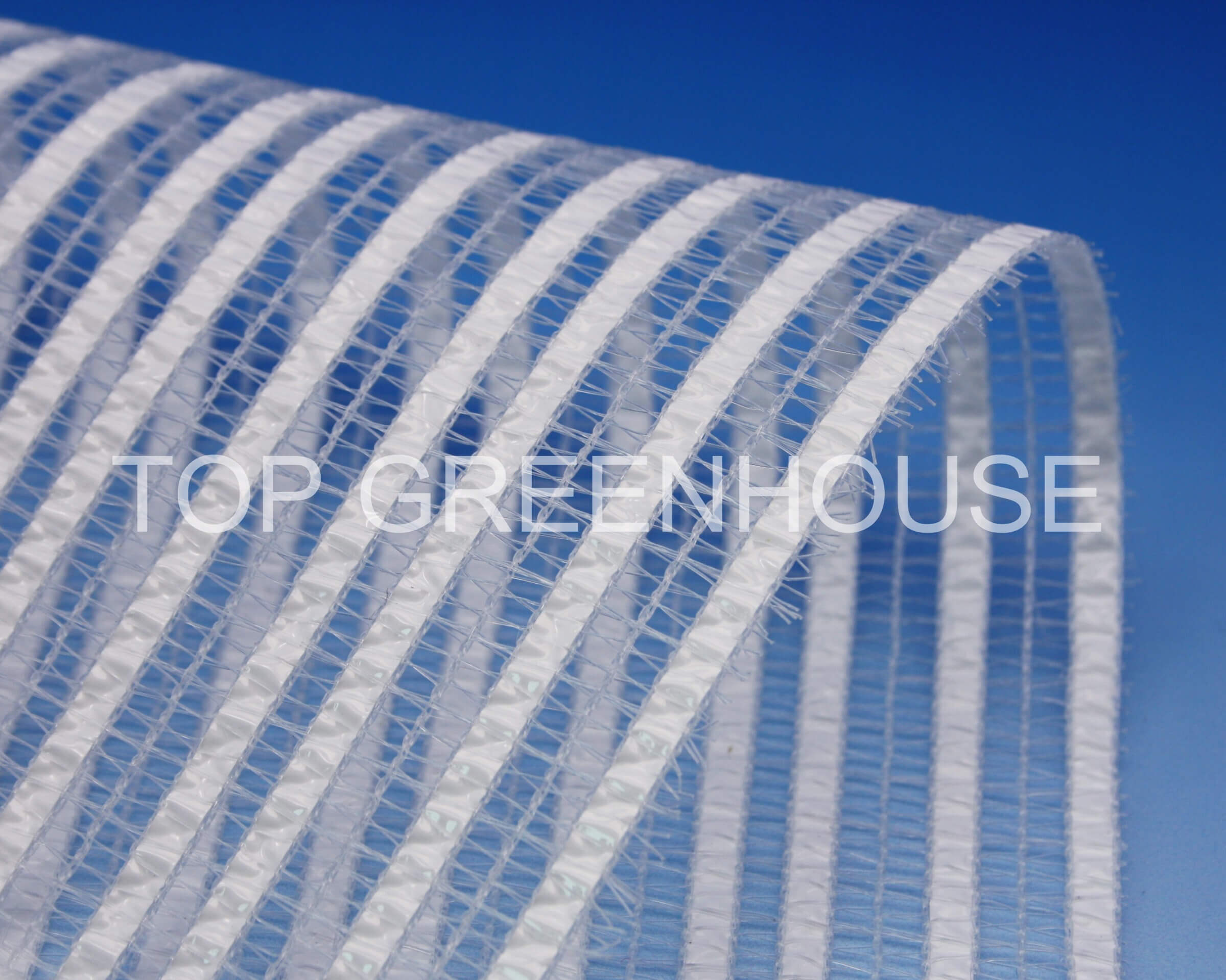
White Screen
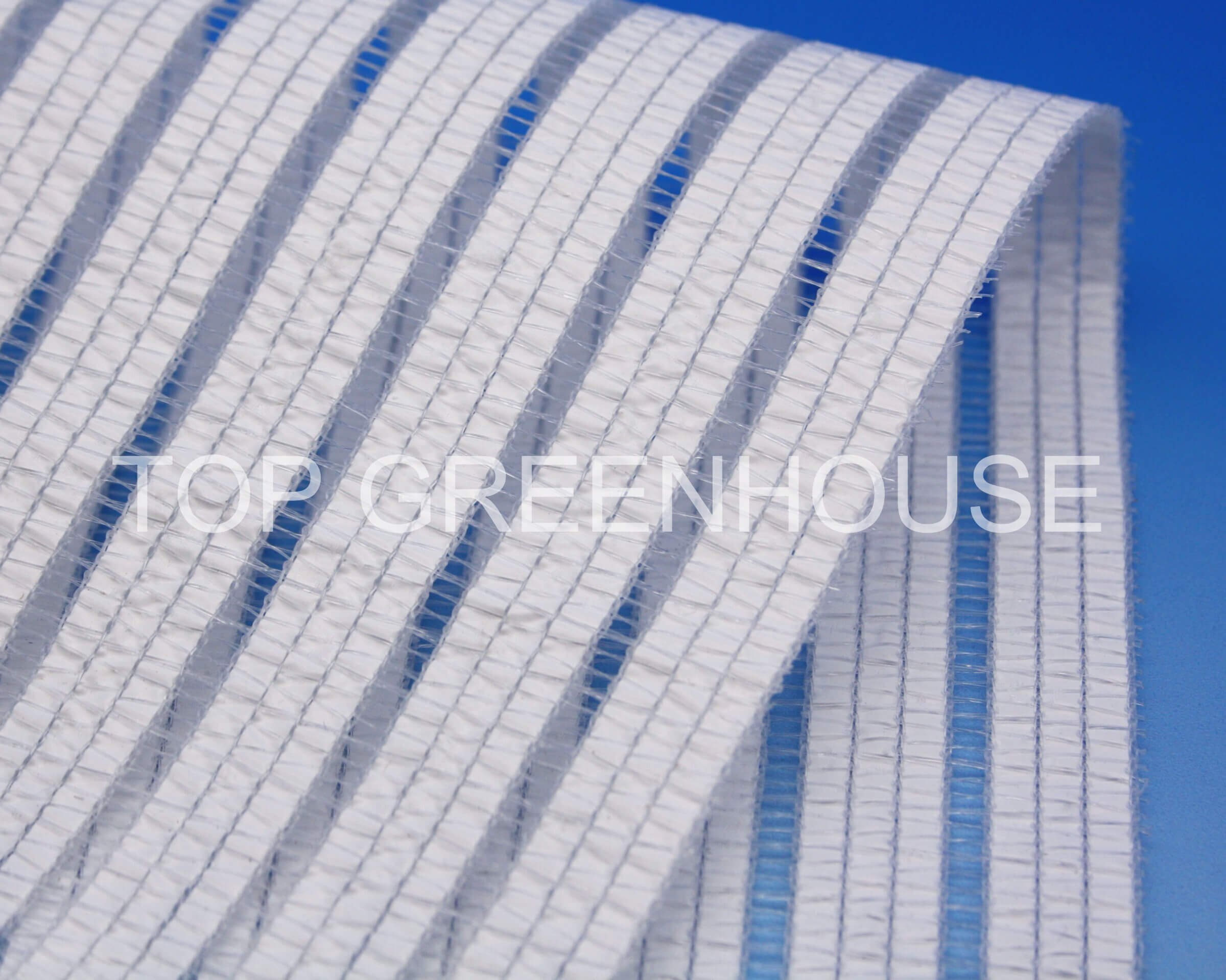
White Screen
As a professional climate screen manufacturer, the production process involves multiple precision stages to ensure high quality and performance.
Premium polyester yarns and aluminum foil are chosen for their strength, UV resistance, and reflective properties.
Threads are treated for stability and uniformity to achieve consistent light transmission levels.
Specialized looms create fabrics with controlled density, determining shading rate and air permeability.
For reflective screens, thin aluminum layers are vapor-deposited to enhance thermal insulation.
The fabric undergoes heat treatment to stabilize its dimensions and improve durability.
Each roll is tested for shading percentage, UV resistance, tensile strength, and longevity.
Screens are cut into standard widths and packed in rolls for convenient installation in greenhouse systems.
Through precise manufacturing and strict quality control, a reliable climate screen manufacturer ensures long-lasting performance, energy savings, and optimal crop results.
Internal screens focus on energy saving and light regulation inside the greenhouse, while external screens primarily provide shading and cooling by blocking sunlight before it enters.
Selection depends on climate conditions, crop type, and energy goals. For example, energy-saving screens are best for cold seasons, while aluminum external screens are ideal for hot environments.
Yes. Most modern systems integrate with climate controllers, opening or closing screens automatically based on temperature, sunlight, or humidity levels.
High-quality screens from reputable climate screen manufacturers typically last 7–10 years, depending on usage and maintenance.
Working with an experienced manufacturer ensures customized designs, stable quality, and precise climate control solutions tailored to your greenhouse type and local conditions.


